
Circular Economy or Circular Hype? What Africa’s Food Systems Really Need
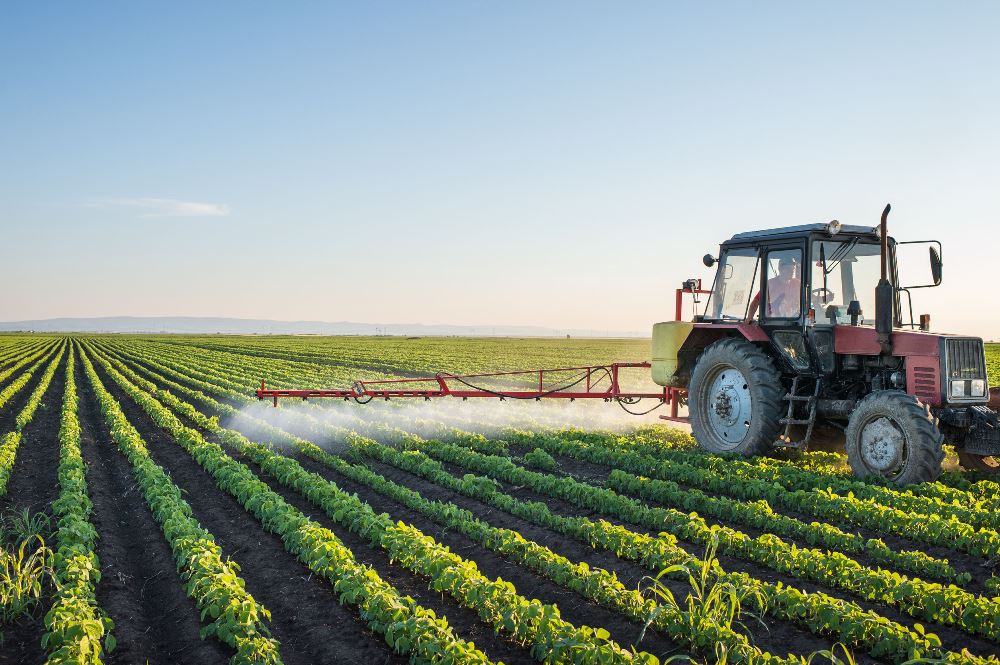
Let’s start with what it is not. Circular economy is not just about reusing plastic bags or recycling PET bottles. It’s not simply about composting, nor is it about trendy apps that track food expiration. Those are tools. The true essence of circularity lies in redesigning systems so that waste does not exist by design, but in food systems where the paradox of hunger and surplus coexists, making the design both urgent and complex. The Waste We Don’t See Across Sub-Saharan Africa, up to 50% of fresh produce is lost post-harvest due to poor infrastructure (Sibanda & Workneh, 2020). This isn’t just waste but lost income, lost nutrition, and lost climate resilience. At the same time, innovations like blockchain for traceability, cold chain IoT solutions, and AI-driven shelf-life prediction are emerging. Yet most of these tools are not developed with African ecosystems in mind. We risk building another layer of exclusion into a system already shaped by colonial value chains. Food Tech: A Tool, Not the End From biodegradable packaging made from cassava starch to apps redistributing leftover meals, food tech holds promise. But it must be anchored in context. A cold-chain app means little if a market woman doesn’t have access to electricity. A food traceability blockchain is moot if farmers are not part of the data value loop. Circularity demands we ask: who benefits, who participates, and who owns the data? So, what is a real circular economy? A real circular economy does not start at the landfill. It begins upstream at the farm, in local markets, in policy rooms, and within the technologies we design. It is not a linear chain retrofitted with a recycling loop. It is a regenerative system by intention, not coincidence. It starts at the farm, not just by reducing waste, but by closing nutrient loops and minimizing input dependency. Many smallholder farmers in Africa still rely on imported synthetic fertilizers and chemical pesticides, which degrade soil health over time and expose farmers to volatile global price shocks. A circular economy flips that logic viewing organic matter, crop residues, and local knowledge as assets, not leftovers. Across East and West Africa, there’s growing momentum around agroecological approaches and on-farm composting. In parts of northern Ghana, farmers are trialing integrated compost pits that recycle livestock manure and crop waste into soil-enriching inputs reducing cost while restoring fertility. These are small changes with systemic potential: they build resilience into production, reduce emissions from synthetic inputs, and localize value creation. In Burkina Faso, SMEs processing dried mango are using cashew nut shells as an energy source to power their dryers. This approach being part of a multi-country research initiative called BioStar is led by CIRAD and local partners (CIRAD, 2023), creating new income streams and extending product life. This isn’t just about shelf life it’s about agency. When farmers are equipped to own more of the value chain, circularity becomes embedded, not imposed. But it doesn’t end at the farm. Circularity lives in local economies through short supply chains and shared infrastructure. In contrast to globalized food systems that extract value and leave behind dependency, circular systems retain value within the communities that produce it. In Ghana, Farmerline uses mobile technology to provide last-mile farmers with timely agronomic advice and access to inputs, plugging a critical gap in extension services. These interventions aren’t about “tech for impact” photo ops. They address embedded inefficiencies with tools that meet people where they are not where we imagine they should be. And when food is wasted, it does not need to stay wasted. A truly circular economy reimagines waste as a resource for energy, soil health, and innovation. In Kenya, Sanivation turns fecal sludge and organic waste into fuel briquettes, reducing indoor air pollution and deforestation (World Economic Forum, 2020). In Ghana, youth-led startups are pioneering black soldier fly farming, converting municipal food waste into high-protein animal feed and organic compost. These are not theoretical ideas; they are already happening just under-supported and under-financed. All of this must loop back into technology and transparency but on our own terms. Technology should enable regeneration, not reinforce exclusion. Platforms like SourceTrace offer real-time tracking of inputs, outputs, and sustainability metrics. But in many African regions, digital tools remain out of reach not because the tech is too complex, but because access, cost, and literacy barriers are not accounted for in the design. A real circular system doesn’t just use the most sophisticated tools it uses the most appropriate ones. Whether it’s a blockchain interface or a bulk SMS system, the question must always be: who does this include and who does it leave out? References Biofuel from agrifood waste? A gamble that is paying off in Burkina Faso | Cirad This Kenyan company is saving forests by turning human faeces into fuel | World Economic Forum Sibanda, S., & Workneh, T. S. (2020). Potential causes of postharvest losses, low-cost cooling technology for fresh produce farmers in Sub-Sahara Africa. African Journal of Agricultural Research, 16(5), 553-566.
Staple Foods in Nigeria and Ghana: The Cornerstone for Sustainable Food Systems

Staple foods are the unsung heroes of West Africa’s food systems, forming the foundation upon which nutritional security and economic stability are built. In countries like Nigeria and Ghana, staple crops such as yam, cassava, maize, and plantains play a critical role in daily diets and livelihoods. These foods are not only integral to the cultural identity of these nations, but they are also pivotal in addressing food security and poverty alleviation. In Nigeria, staples like yam, cassava, maize, and rice form the backbone of both rural and urban diets. Yam for example, is deeply embedded in the cultural fabric, celebrated during the New Yam Festival, which marks the end of the rainy season. Cassava, another versatile crop, is used to produce various traditional foods such as gari and fufu. According to the Food and Agriculture Organization (FAO), Nigeria is the largest producer of cassava globally, with an annual production approximated to exceed 60 million metric tons. Maize, essential for its versatility, is consumed directly and used as feed in livestock farming, further enhancing food security. Rice, while a more recent staple compared to others, has grown in popularity and is crucial for feeding the growing urban population. Similarly, in Ghana, plantains, cassava, yams, and millet are the mainstay of the diet. Plantains are a dietary staple, featured prominently in dishes like kelewele and fufu. Ghana produces over 3.5 million metric tons of cassava annually, making it a significant contributor to food security. Yam, much like in Nigeria, holds cultural significance and is celebrated in festivals. Millet, though less prominent, is used in traditional porridges and beverages, contributing to the nutritional diversity. Staple foods are vital for meeting the nutritional needs of millions of people. They are rich in carbohydrates, vitamins, and minerals necessary for health and well-being. According to the World Bank, staple crops are essential in fighting malnutrition, particularly in rural areas where access to diverse foods might be limited. These crops are also crucial to the local and national economies, creating employment opportunities across the agricultural value chain; from farming to processing and marketing. The cultivation and sale of staple crops are vital sources of income, contributing significantly to poverty alleviation and economic stability. However, the production of staple foods faces several challenges. Climate change poses a significant threat, altering weather patterns and affecting crop yields. Inadequate infrastructure and storage facilities lead to significant post-harvest losses, reducing food availability and affecting farmers’ incomes. For instance, it is estimated that up to 40% of food produced in Sub-Saharan Africa is lost before it reaches the market. Despite these challenges, there are substantial opportunities for enhancing the role of staple foods in sustainable food systems. Innovations in agricultural technology, such as drought-resistant crop varieties and improved farming practices, can significantly boost yields and resilience to climate change. Additionally, policy support and investments in agriculture can provide the necessary backing for smallholder farmers, ensuring sustainable production and food security. According to a report by the International Food Policy Research Institute (IFPRI), targeted investments in agricultural infrastructure and research can substantially reduce food insecurity in the region. Staple foods are integral to the development of a sustainable food system in West Africa. By recognizing their importance, addressing the challenges they face, and harnessing opportunities for innovation and policy support, we can ensure that these vital crops continue to nourish and sustain communities in Nigeria, Ghana, and beyond.
Decolonizing Diets: Plant-Based Eating for Health and Liberation
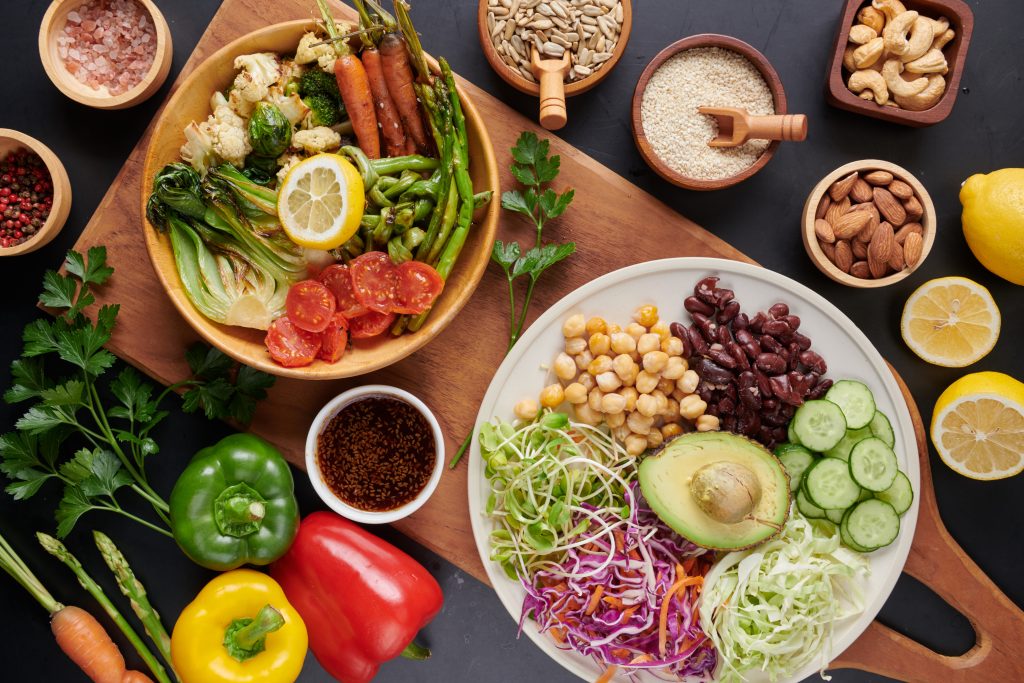
In recent years, a growing movement has emerged among people of color, embracing plant-based diets not just for health but also as a means of reclaiming cultural autonomy and challenging colonial legacies. This movement, often termed “decolonizing diets,” represents a powerful intersection of dietary choices with broader social, cultural, and political aspirations. At its core, decolonizing diets prioritize health and wellness. Plant-based diets, with their focus on whole, minimally processed foods, offer a pathway to better health and vitality, addressing the prevalence of diet-related diseases in communities of color. Beyond health, decolonizing diets reject colonial legacies of dependence on imported and processed foods. Advocates promote reclaiming control over local food systems, centering traditional and culturally relevant foods, and asserting cultural autonomy. Environmental sustainability is also a driving force. Plant-based diets offer a more eco-friendly alternative to the unsustainable practices of industrial agriculture, with lower emissions and a smaller ecological footprint. Embracing plant-based diets is a way for individuals to reconnect with ancestral food traditions, asserting cultural identity and resilience. By centering locally sourced and culturally relevant foods, individuals reclaim their culinary heritage and resist cultural assimilation. Moreover, the decolonizing diets movement is rooted in broader struggles for social justice and equity. Advocates emphasize addressing intersecting oppressions and building solidarity across diverse communities in pursuit of food justice. Thus, the decolonizing diets movement offers a vision for transforming diets and relationships with food, culture, and the planet. By embracing plant-based eating as a form of resistance and liberation, individuals reclaim agency over their health while challenging systems of oppression and building more just and sustainable food systems for all.